
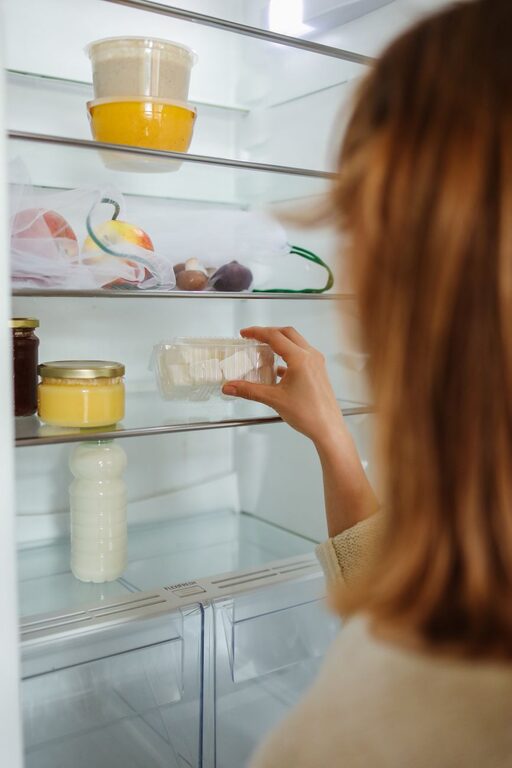
Keeping your fridge and pantry tidy can make a big difference in how smoothly your kitchen runs. A clean and organized food storage area helps you find ingredients quickly, keep food fresh longer, and reduce waste. If you’ve ever opened your fridge and felt overwhelmed or struggled to locate an item in the pantry, these practical tips will help you reclaim your space.
Why Keeping Your Fridge and Pantry Tidy Matters
A cluttered, disorganized fridge and pantry can lead to expired food, forgotten leftovers, and unnecessary trips to the grocery store. Proper organization helps with:
– Saving money by using ingredients before they spoil
– Reducing food waste
– Streamlining meal planning and preparation
– Maintaining food safety and hygiene
– Creating a more pleasant cooking environment
Step 1: Clear Everything Out
Start fresh by emptying your fridge and pantry completely. This allows you to:
– Check expiration dates and toss expired items
– Clean shelves and containers thoroughly
– See exactly what you have on hand
Take this opportunity to wipe down all surfaces with a mild cleaning solution. For the fridge, use a mixture of warm water and baking soda to remove stains and odors without harsh chemicals.
Step 2: Sort and Categorize
Group similar items together to keep your storage areas logical and easy to navigate. Some common categories include:
Fridge Categories
– Dairy (milk, cheese, yogurt)
– Meats and seafood
– Fresh fruits and vegetables
– Condiments and sauces
– Drinks and juices
– Leftovers or prepared meals
Pantry Categories
– Baking ingredients (flour, sugar, baking powder)
– Canned goods and jars
– Pasta, rice, and grains
– Snacks and cereals
– Spices and seasonings
– Oils and vinegars
Step 3: Use Clear Containers and Labels
Invest in clear, airtight containers to store loose items like nuts, grains, or snacks. This helps keep food fresh and creates a uniform look. Label each container clearly with the contents and the expiration or purchase date to keep track.
Use drawer organizers or baskets in your fridge for condiments, cheese, and smaller items. This prevents things from getting lost in the back.
Step 4: Arrange Items Strategically
Think about how you use your fridge and pantry when placing items:
Fridge Tips
– Store raw meats on the bottom shelf to prevent drips onto other foods.
– Keep dairy products in the coldest part, usually the back of the fridge.
– Place fruits and vegetables in designated drawers set at optimal humidity.
– Keep often-used condiments and drinks in the door for easy access.
Pantry Tips
– Place frequently used items at eye level.
– Store heavy items like large cans or bags on lower shelves.
– Keep baking ingredients together in one area.
– Use tiered shelves or risers to maximize vertical space and visibility.
Step 5: Maintain Regularly
Organizing your fridge and pantry isn’t a one-time job. Set a schedule for regular maintenance:
– Check for expired or spoiled food weekly or biweekly.
– Wipe down shelves monthly.
– Rotate older items to the front to use them first.
– Keep a running grocery list based on what you have and what you need.
Bonus Tips for Staying Tidy
– Use baskets or bins to catch smaller packets or loose items.
– Freeze leftovers immediately if you don’t plan to eat them within a couple of days.
– Store herbs in reusable containers with a little water to keep them fresh longer.
– Avoid overbuying by planning meals ahead and sticking to your list.
– Consider shelf liners that are easy to clean and improve hygiene.
Conclusion
A tidy fridge and pantry make cooking more enjoyable and efficient. Taking the time to clear, categorize, and arrange your food storage makes a lasting difference. With a little effort and regular upkeep, you can reduce food waste, save money, and keep your kitchen feeling fresh and organized. Start small, and you’ll quickly notice a big improvement. Happy organizing!