
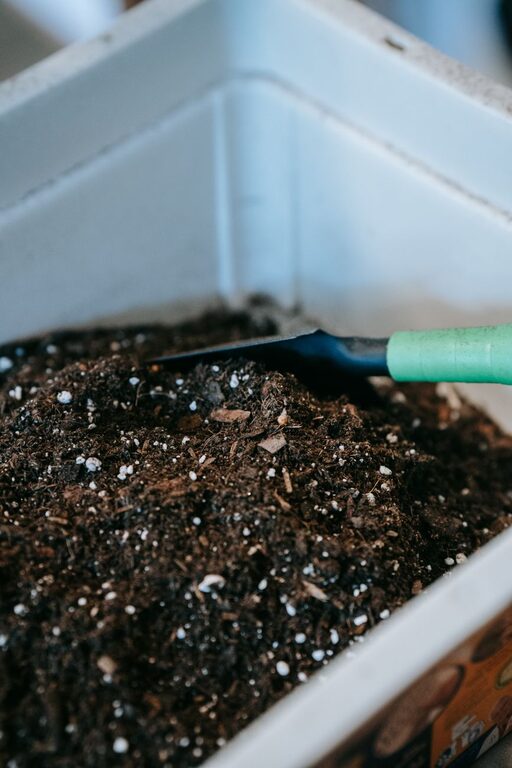
Composting is a fantastic way to recycle kitchen scraps and yard waste, turning them into nutrient-rich soil that can help your plants thrive. If you’re new to composting, it might seem a bit overwhelming, but with the right approach, anyone can start a successful compost pile or bin at home. This guide offers simple tips to help beginners begin composting easily and effectively.
What Is Composting?
Composting is the natural process of breaking down organic materials such as vegetable scraps, leaves, and grass clippings into a dark, crumbly material called compost. This compost acts like a natural fertilizer, improving soil health and helping plants grow better.
Benefits of Composting at Home
– Reduces waste: Composting keeps organic waste out of landfills.
– Enriches soil: Compost adds essential nutrients to the soil.
– Saves money: Less need to buy fertilizers and soil conditioners.
– Supports the environment: It reduces greenhouse gas emissions and promotes healthy ecosystems.
Getting Started: What You Need
Choose a Composting Method
– Compost Bin: Great for small spaces and keeps compost tidy.
– Compost Pile: Suitable for larger yards but requires more space.
– Tumbler: A rotating bin that speeds up composting by mixing materials easily.
Location Matters
Pick a dry, shady spot near a water source for your compost bin or pile. This helps maintain moisture and keeps the compost from drying out or overheating.
What to Compost: Browns, Greens, and What to Avoid
Browns (Carbon-rich materials)
– Dry leaves
– Straw or hay
– Cardboard and paper (shredded)
– Wood chips
Greens (Nitrogen-rich materials)
– Fruit and vegetable scraps
– Coffee grounds and tea bags
– Fresh grass clippings
– Eggshells (crushed)
Avoid Adding
– Meat or dairy products (attract pests)
– Fats or oils
– Diseased plants
– Pet waste
– Treated wood or synthetic materials
Balancing Your Compost: The Right Mix
A good compost pile needs a balanced mix of browns and greens. Aim for roughly three parts browns to one part greens. Browns provide carbon, and greens provide nitrogen. Both are vital for the microbes that break down materials.
Maintaining Your Compost
Keep It Moist
Compost should be as moist as a wrung-out sponge. If it’s too dry, add water. If it’s too wet and smelly, mix in dry browns.
Aerate Regularly
Turning your compost pile every week or two introduces oxygen that speeds up decomposition and reduces odors. Use a garden fork or compost aerator tool.
Monitor Temperature
Active compost heats up as microbes work. A temperature between 130–160°F is ideal for quick decomposition. If it gets too cool, add more greens and turn the pile.
Troubleshooting Common Compost Problems
– Bad odor: Usually caused by too much moisture or not enough air. Try mixing in dry materials and turning the pile.
– Pests: Keep meat and dairy out, cover food scraps with browns, and use a closed bin or tumbler.
– Slow decomposition: Check moisture, add more greens, and turn the pile to speed things up.
Using Your Finished Compost
After a few months, your compost will look dark, crumbly, and earthy-smelling. This means it’s ready to use.
– Mix it into garden beds to improve soil structure.
– Spread it around trees and shrubs as mulch.
– Use it in potted plants for added nutrients.
Additional Tips for Success
– Chop or shred materials to speed up decomposition.
– Avoid adding invasive weeds or plants with seeds.
– Start small and expand as you get comfortable.
– Use a compost thermometer if you want to monitor progress closely.
Conclusion
Starting composting at home is an easy and rewarding way to reduce waste and nourish your garden. With just a little effort and regular care, you’ll turn kitchen scraps and yard debris into black gold that benefits your plants and the planet.
Happy composting!